
Before the ride
The story of my ride across Canada began two years before I reached Mile 0 in Victoria, in a medical clinic in Queenstown, New Zealand, with a question I was not prepared to hear. I was 22 and had gone for an ultrasound because of pain in one testicle. I was worried it might be cancer. During the scan, the technician paused, studied the screen, then looked at me.
“Does kidney disease run in your family?”
My heart sank. She could see many cysts on my kidneys. It was not an official diagnosis, not yet, but I knew what it meant. My father and brother had polycystic kidney disease, or PKD, a genetic disorder that causes cysts to grow in the kidneys and can eventually lead to kidney failure.
I was about ten when my father went into kidney failure. His sister, my Aunt Nancy, donated one of her kidneys to him. Around that time, all three of us children were tested, and only my brother Steven showed signs of having inherited PKD. From then on, I carried a quiet sense of relief, believing I had escaped something terrible.
Hearing that news in a clinic on the other side of the world was devastating. I knew what PKD could mean because I had watched my dad go through it throughout my childhood: the slow decline in his kidney function, dialysis, a transplant and the problems that followed. I had no idea what the disease would mean for me, or how quickly it might progress, but suddenly I was thinking about my future very differently.
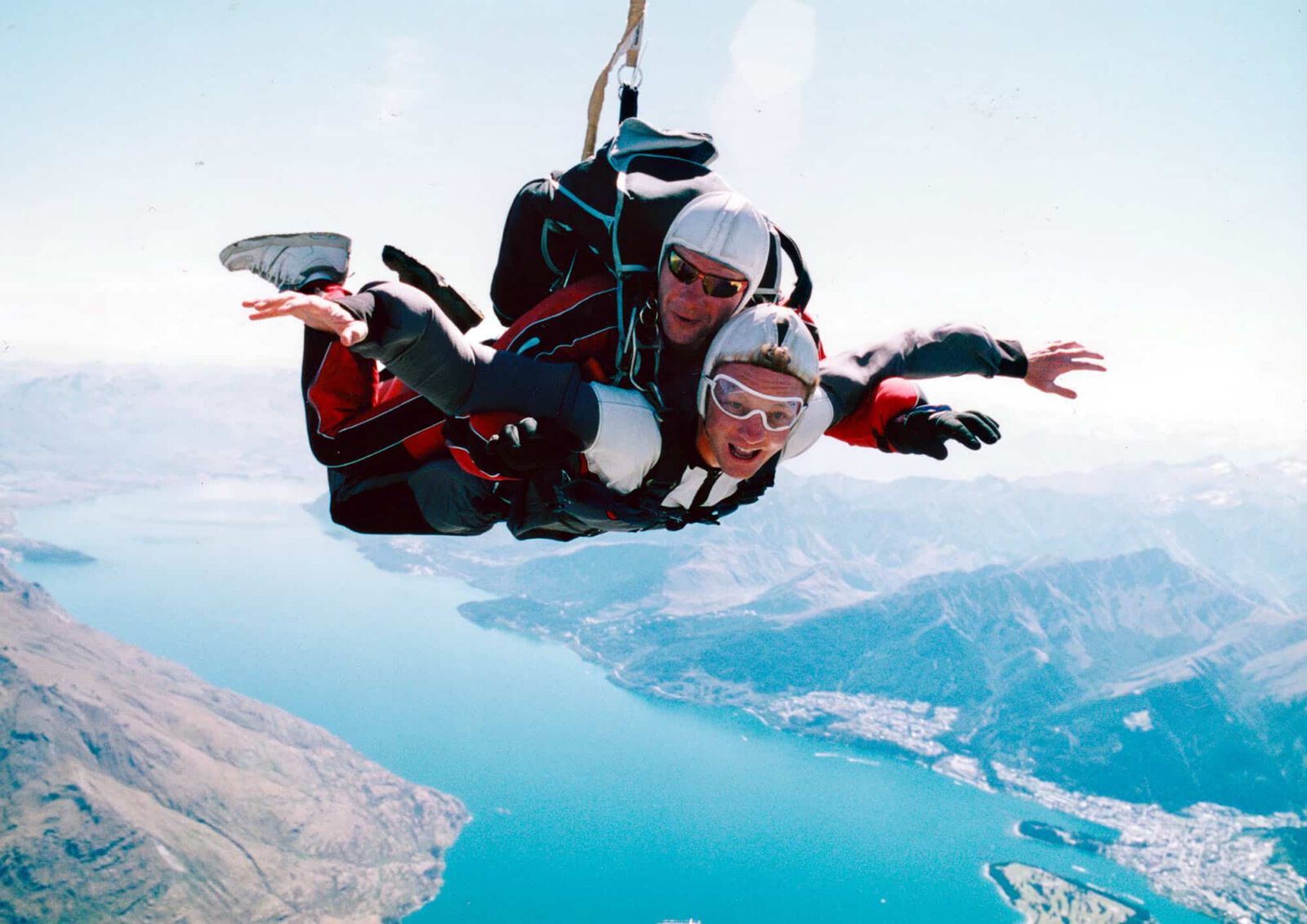
The next morning, I booked a skydive. It was a big screw-you to kidney disease. I wanted to feel alive and make the most of being young and healthy while I could. Two years later, I was standing at Mile 0 in Victoria, British Columbia, with a loaded bike, about to start riding across Canada.
How the idea started
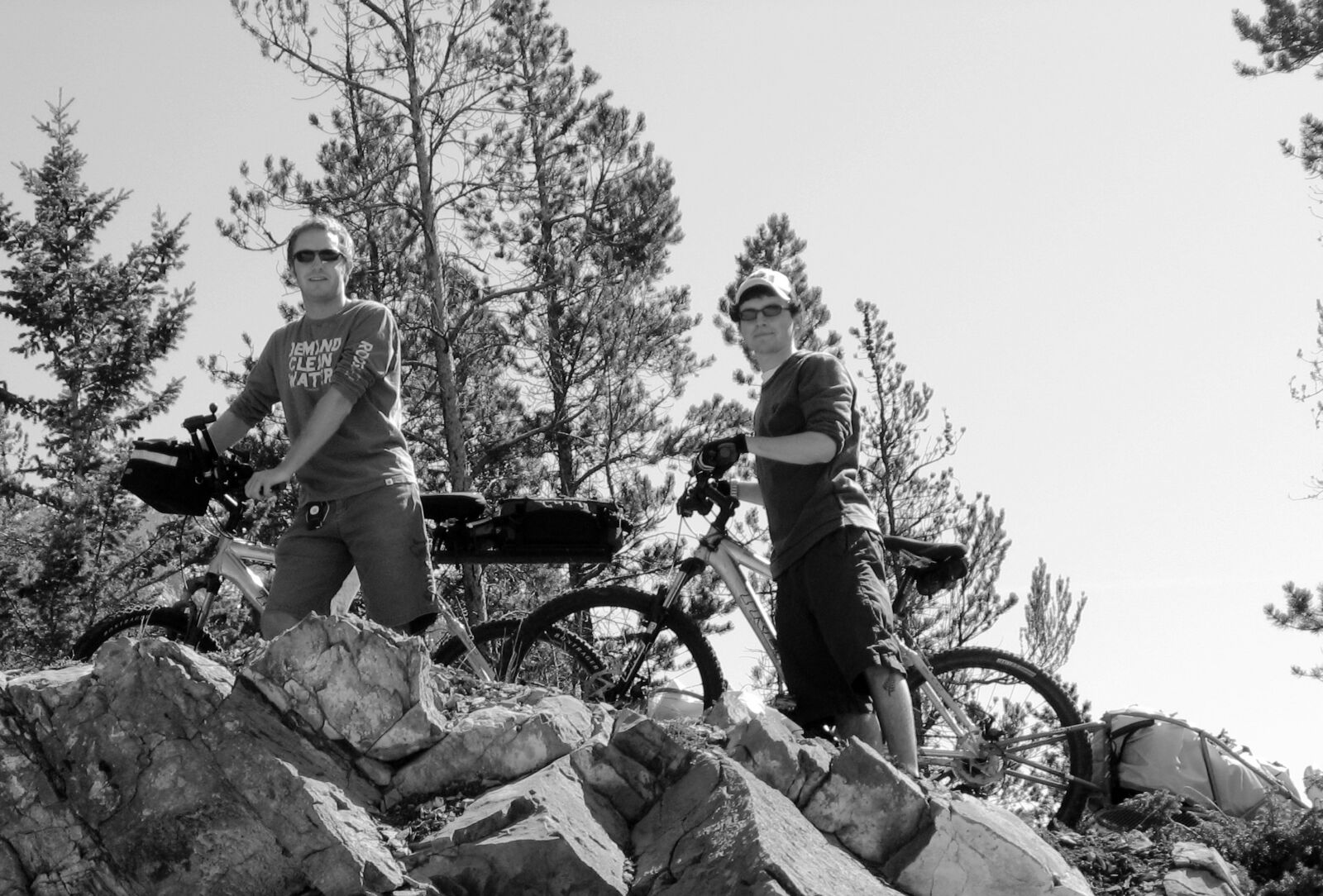
The idea came during a road trip from Banff to Jasper in September 2006. I was with my friend Justin McGee, a guy from my hometown of Harvey Station, New Brunswick. We had travelled together in New Zealand and Australia, and as we drove, we talked about those trips. It struck me that we had seen more of the other side of the world than we had of our own country.
“We should bike across Canada,” I said.
There was a pause while we both thought about it, and then Justin agreed. I don’t think either of us really understood what we were committing to, but we were serious.
We decided we would ride mountain bikes and pull small one-wheeled trailers loaded with our camping gear, clothes, food, cameras, and whatever else we thought two inexperienced cyclists might need to cross Canada. We planned to follow the Trans Canada Trail wherever possible, camp along the way, carry everything ourselves, and film the whole thing.
The winter of 2006/2007 was mostly taken up with work, skiing, fundraising and planning. I was working for the Banff Mountain Film Festival’s world tour, and spent a huge amount of my spare time studying maps and trying to piece together a route of roughly 9,000 kilometres that might actually be rideable.
Justin and I bought gym memberships and made a few attempts at training indoors, but mostly we went skiing. Six weeks before we were due to leave, we finally went on our first proper training ride on bikes. By the time we left for Victoria, we had managed only about six rides and roughly 200 kilometres in total. That was our entire training program for a self-supported ride across Canada on mountain bikes while pulling trailers full of camping gear. Looking back, it was ridiculous, although at the time neither of us seemed especially concerned about it.
We did put a lot more effort into the planning and fundraising. We wrote letters to businesses, friends, community groups, and anyone else who seemed unlikely to throw the envelope straight into the garbage. The Kidney Foundation of Canada agreed to support the project unofficially, helping with media contacts and connecting us with branches across the country. People and businesses in Harvey responded especially well, contributing more than $5,000 toward the cost of the ride itself, as well as donating gear and supplies. The money we later raised for the Kidney Foundation was separate.
Then other people started picking up the idea and helping in ways we had never expected. There were church hall fundraisers, variety shows, donated auction items, a fundraiser in Canmore, and people we barely knew offering money, equipment or whatever else they could contribute. That support became a much bigger part of the trip than I had anticipated before we left.
By late April, we were as ready as we were going to get. We quit our jobs, packed up our apartments and mailed our belongings home to Harvey.
We had bikes, trailers, a tent and a goal. We were going to bike across Canada and use the trip to raise money for the Kidney Foundation and raise awareness about PKD and organ donation.
British Columbia
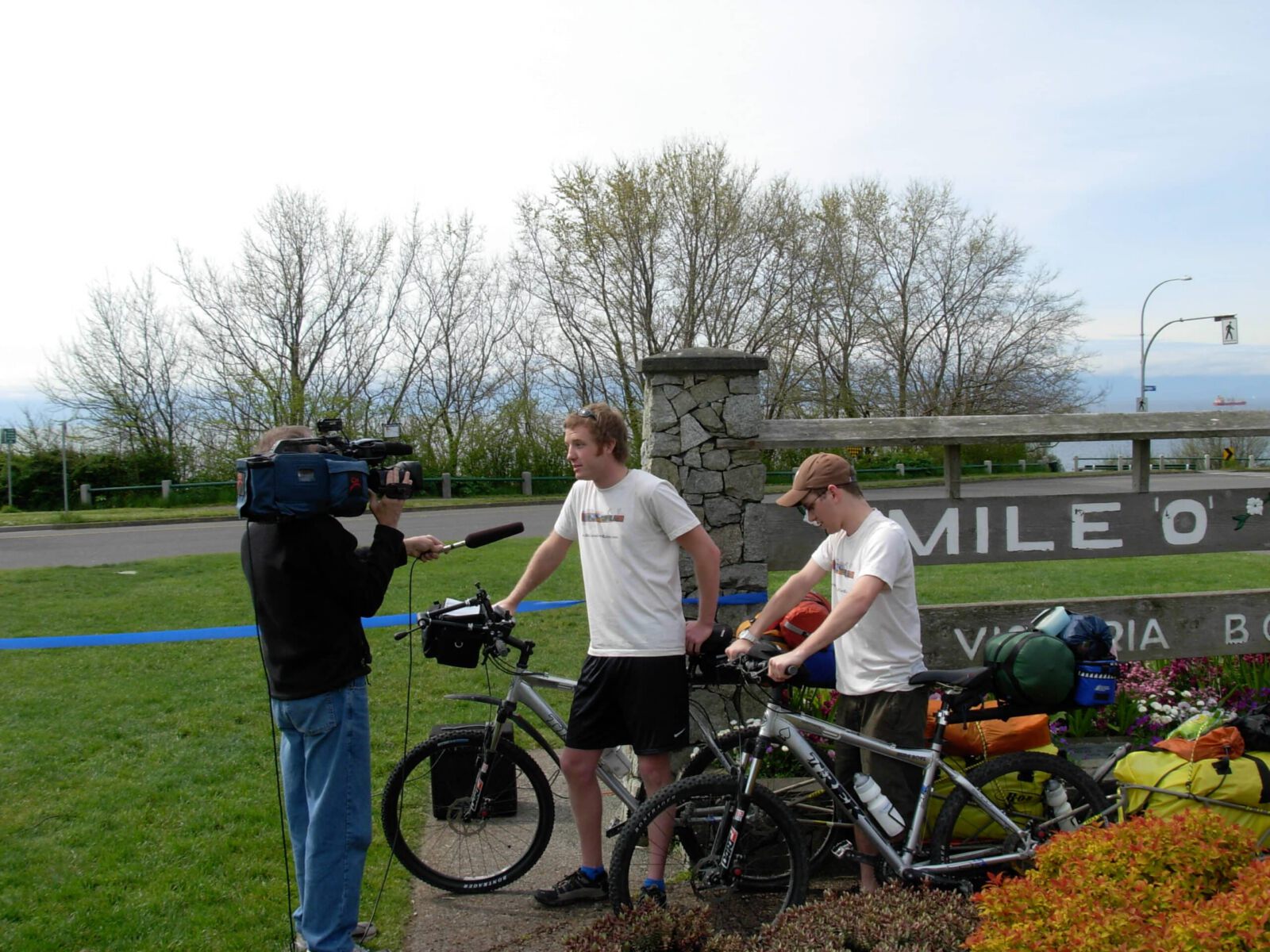
We left Victoria on May 1, 2007. The ride from our host’s house to Mile 0 should have taken about twenty minutes, but it felt much longer. Our bikes were loaded down, our trailers were awkward, and Justin and I kept looking at each other and bursting out laughing. What on earth were we doing?
At Beacon Hill Park, a small crowd was waiting: Kidney Foundation supporters, a couple of television crews, a radio reporter, a city representative and a bagpiper. There were speeches, photos and hugs, and then we finally started riding.
Ken, from the local Kidney Foundation chapter, met us along the inner-city trail to make sure we were going the right way, and we never would have found it without him. Not long after that, we managed to get lost anyway.
We followed the Galloping Goose Trail until we had to detour onto the Malahat Highway and climb high into the hills. In those first few hours, we rode from sea level to more than 1,000 feet, which was a fairly abrupt introduction to crossing Canada by bicycle.
Eventually, we got off the highway and onto dusty old logging roads, then found the Cowichan Valley Railway trail and headed into the woods. This was much closer to what I had imagined when I pictured the Trans Canada Trail: old rail beds, forest, quiet and no transport trucks blowing past my shoulder.
We passed McGee Trestle and Harvey Road, two names that reminded us of home, then found a campsite at West Shawnigan Lake Provincial Park. We set up the tent, cooked pasta and were in bed by eight. It rained all night.
After twelve hours of sleep, we crawled out of the tent just in time to see two bald eagles trying to lift a fish out of Shawnigan Lake. The fish was so large that one of the eagles eventually had to let it go just to get back out of the water.
A few minutes later, park wardens appeared and informed us that we were not actually allowed to camp there. We explained what we were doing, and they kindly let us go. We tried filtering lake water, but it looked so disgusting that we decided to start the day with empty bottles and hope we could find better water farther along. Shortly after getting back on the trail, we came across a small cabin with horses in the yard and asked the man there if we could fill our bottles. He was interested in the ride and took one of our cards so he could follow us on the website.
Then we reached the Kinsol Trestle. It was not passable at the time, but it was still impressive to see, and exactly the sort of place that had made the Trans Canada Trail seem so appealing when I was planning the route from Banff. After taking a few photos, we went looking for the detour around it. A combination of poor signage and our failure to read the fine print resulted in us taking a route intended for hikers.
The trail dropped steeply into the valley through mossy old forest, and at first we thought it was great. Then we reached the first fallen tree. We had to unload all the gear from the bikes, carry everything over the tree, reload it and continue. Then we found another tree, and another. This went on for hours. By the time we finally made it out of the detour, we were cut and bleeding, badly behind schedule, dehydrated and so hungry that we ate almost an entire jar of peanut butter without bread.
At one point, the route took us through a farm covered in NO TRESPASSING signs. Justin made a run for it, while I stopped when a truck pulled up and a man got out. I was expecting to be yelled at, but instead he asked, “Are you the guys biking across Canada?” He had seen us on television the night before, shook my hand and wished us luck. It was one of the first times I realized that people were actually following the trip.
We eventually reached the closed campground at Stutz Falls around seven that evening. Justin was sick from dehydration and exhaustion, so I cooked some soup and we went straight to bed. I remember wondering that night whether I could actually complete the trip.
Over the next few days, Justin’s knees became progressively worse. By the time we reached Crofton, he could barely pedal, and a day off did not seem to help. In West Vancouver, a doctor told him he should not continue. A specialist later confirmed that he had bursitis in both knees and would need to rest them for a couple of months.
Justin was devastated, and so was I. He had been working two jobs to help pay his way across the country and had put so much into getting to the start. He wanted to finish the ride, but this was beyond his control. I wrote at the time that I was proud of him, and I still am. We had planned the whole trip together, and suddenly I had to decide whether I was prepared to continue on my own.
I decided pretty quickly that I had to keep going. Too much work had gone into the trip, people were supporting us across the country, and many had pledged money based on me completing the ride. But continuing alone meant changing a lot of things. Justin and I had been sharing some of the gear, filming was going to be much harder, and I was less comfortable travelling alone on some remote sections of the Trans Canada Trail. I mailed home what I could, cut back on gear and began using more roads instead of isolated trail sections.
Leaving Vancouver alone was strange. Getting out of the city was chaotic enough that I did not have much time to think about it, but once I reached the quieter countryside of the Fraser Valley, the difference became obvious. I stopped for lunch near the river and immediately noticed the silence. Justin was not there to make me laugh, and I even missed our usual little arguments. I sat there eating two sandwiches, a can of mussels, a package of crackers, two cookies and a Red Bull before packing everything up and continuing toward Abbotsford. I wrote that night that it had become an entirely different bike ride, but one I was still very much looking forward to.
British Columbia did not get much easier. The Hope-Princeton Highway took me from about 200 feet of elevation to 4,400 feet in one long day of climbing. Cars honked and people gave me thumbs up as I crawled toward the pass. The following day, expecting an easier ride into Princeton, I discovered that my legs were nearly useless and the road still involved plenty of climbing and headwind. I stopped at a roadside café that looked as though it had not changed since the 1950s and demolished a huge breakfast. As I was leaving, the waiter asked where I was biking to.
I paused, smiled and said, “All the way to Newfoundland.”
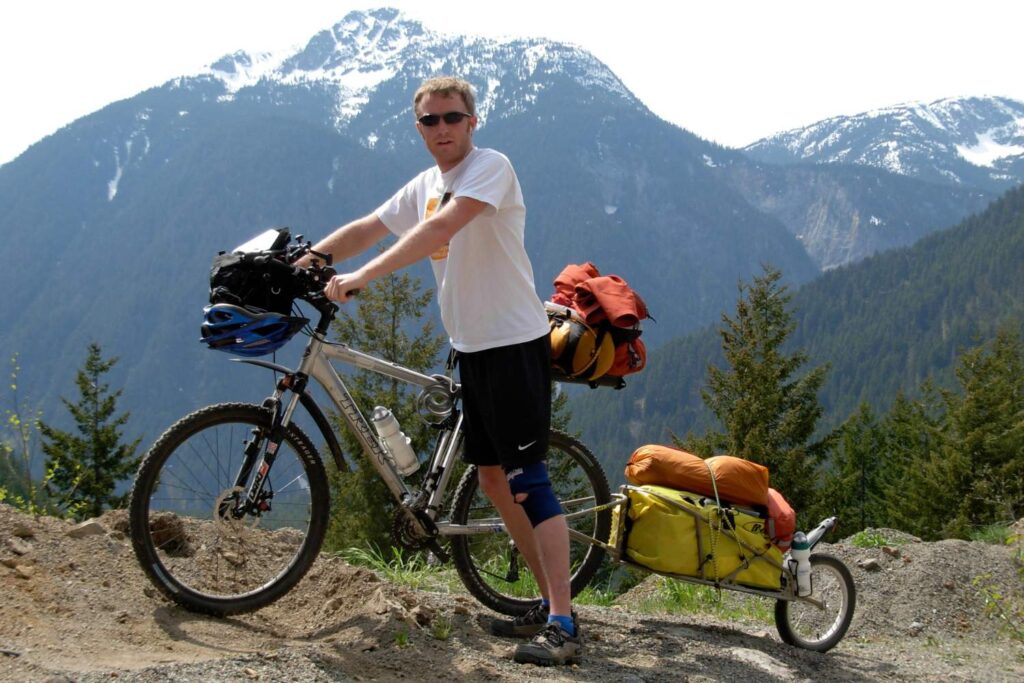
The woman in the next booth choked on her breakfast, while several other people stared at me. I was beginning to get used to that reaction.
The Kettle Valley Railway was one of the sections I had been most excited about before the trip, and it lived up to it. The old railway grade made for much easier cycling, and I spent two days riding past streams, over trestles, through tunnels and past the remains of old railway stations. It was also a relief to get away from highway traffic and back onto the kind of trail we had originally planned to follow across much of Canada.
That did not mean everything went smoothly. Near Summerland, my rear wheel came apart and spokes went everywhere, leaving me to push the bike for about ten kilometres before a Kidney Foundation volunteer named Teresa came to rescue me. In Osoyoos, I camped on a sandy beach, then spent the next morning climbing out of the valley through intense dry heat, drinking constantly without ever seeming to satisfy my thirst.
Rossland provided a badly needed break. I stayed with friends from Banff, ate well, sat in a hot tub and enjoyed a few days of normal company before continuing east. Near Cranbrook, the weather changed completely. A severe thunderstorm rolled in as I was packing camp, and the hail came down so hard that I had to put my helmet on while sitting under a tree waiting for it to pass. The temperature dropped to just above freezing.
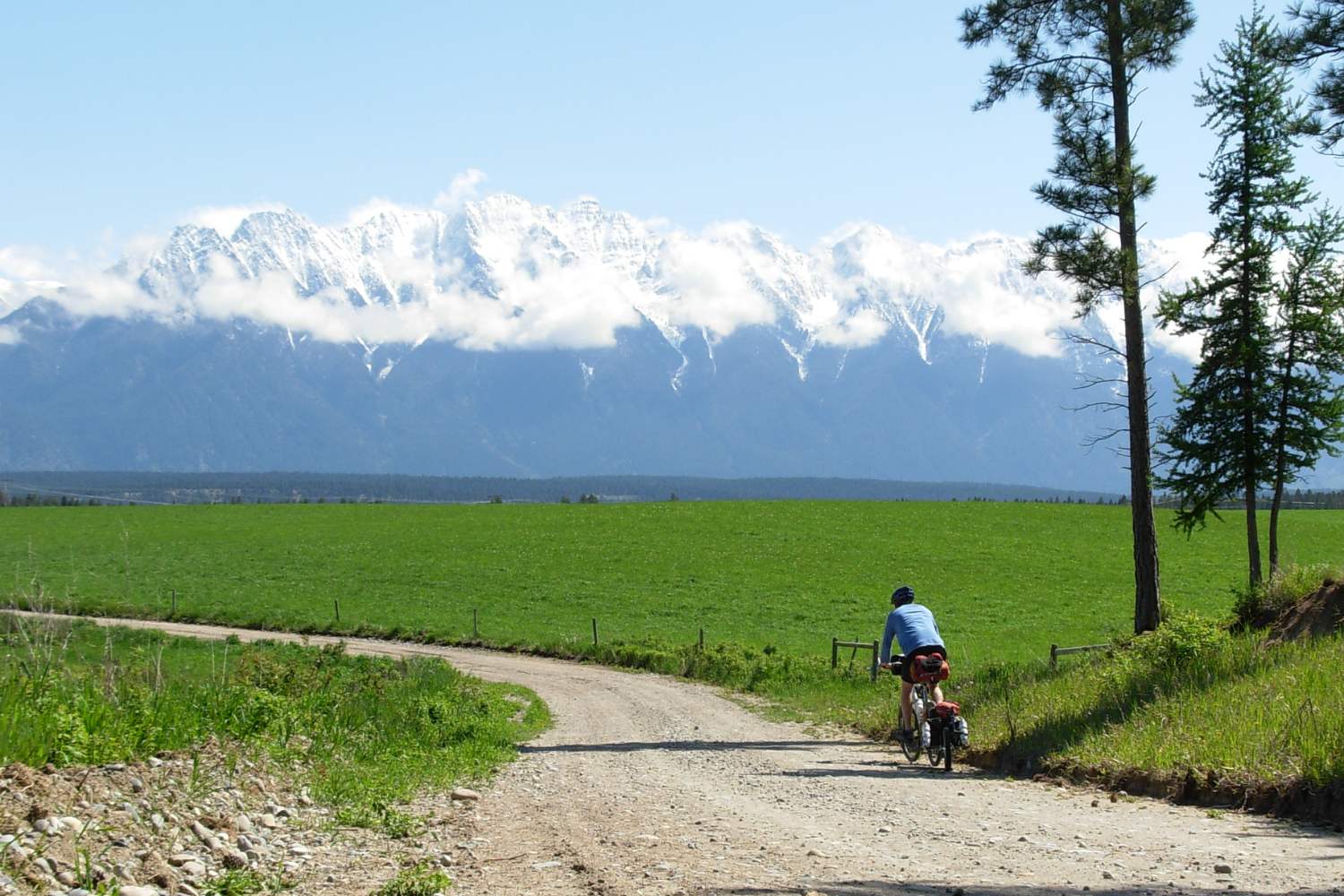
By the time I reached Fernie, I had broken spokes in my rear wheel for the third time and finally bought a stronger replacement rim. The following morning, I stopped at Tim Hortons, where the manager recognized me from television and offered me breakfast. A reporter showed up and took my photo, and after I left town a milk-truck driver named Cory pulled over, introduced himself and handed me some cash to help with my expenses. I still felt a little strange being recognized, but it meant people were hearing about the reason I was doing the ride.
When I finally crossed the Crowsnest Pass into Alberta, I had been on the road for almost a month. British Columbia had been harder than anything I had expected, and I had already lost my riding partner, broken wheels, become dehydrated more than once and completely changed the way I was going to cross the country. I had also discovered that I could keep going when the original plan fell apart, which was probably the more useful lesson anyway.
Across the Prairies
Crossing the Crowsnest Pass into Alberta felt like a real milestone. One province down, nine to go. Friends from Banff and Calgary met me at Beauvais Lake Provincial Park, where we camped and shared food. From there, I kept moving east, knowing it would probably be a long time before I saw familiar faces again.
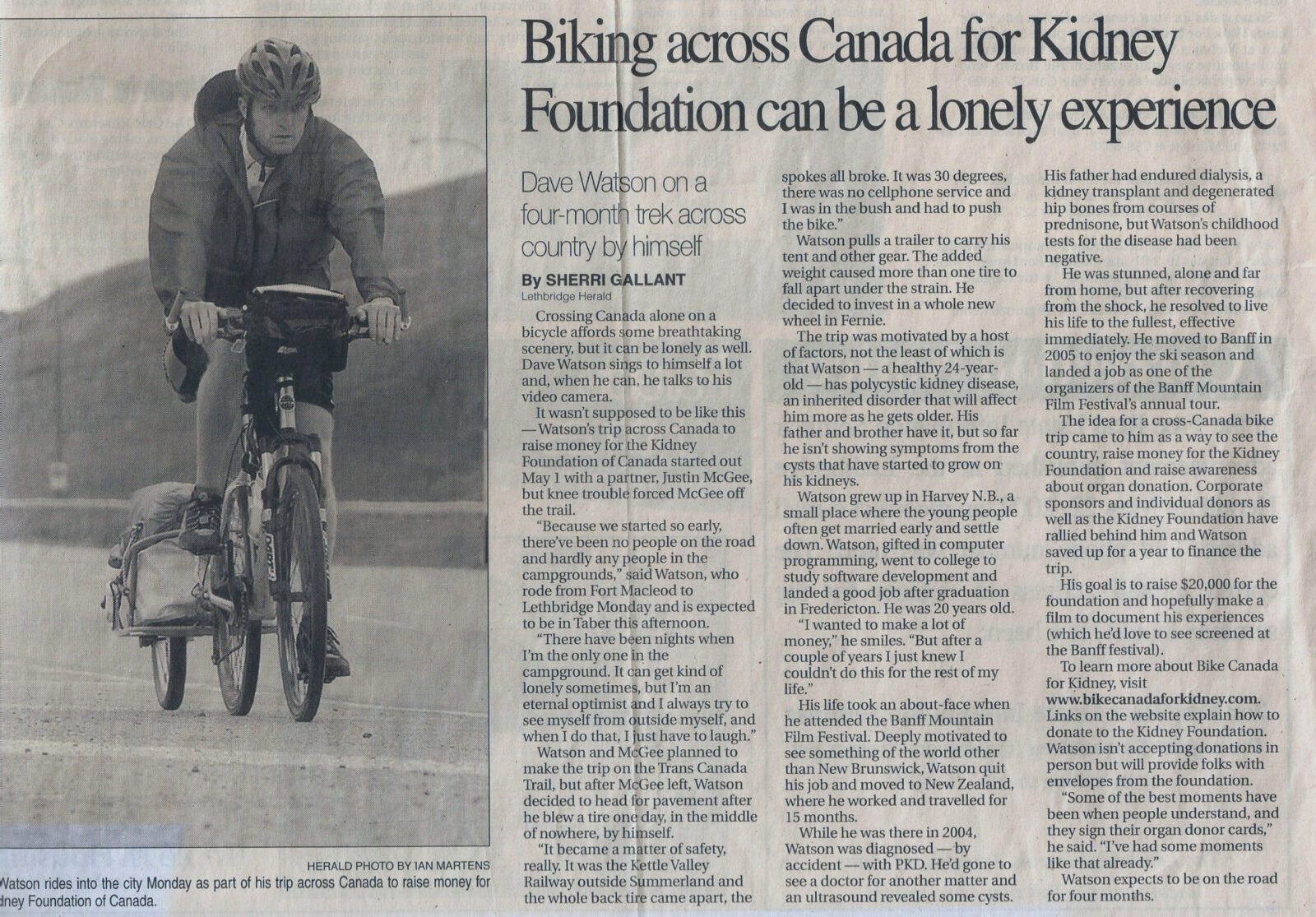
In Lethbridge, the media showed up all at once. CTV, Global and the Herald arrived on the roadside at almost the same time. Three cameras pointed at me while I tried to explain PKD and organ donation without sounding completely rattled. It was awkward, but it was also exactly the kind of awareness I had hoped the ride would create.
From Lethbridge, I rode to Taber, where Jan, a Kidney Foundation volunteer who also has PKD, opened her home and invited neighbours and co-workers over for a barbecue. I was too early for Taber’s famous corn, which felt like poor planning on my part, but I learned a lot about the local farming industry. The farms there operated on a completely different scale from the small farms I knew in New Brunswick. Jan and I also talked about life with PKD, and I felt very much at home there.
The wind was a different story. Almost everyone had told me I was smart to ride west to east because the prevailing winds would be at my back. So far, I had experienced headwinds, dangerous crosswinds and days with no wind at all, but almost nothing that actually helped me. I started to wonder whether all that advice had been worth anything.
By the time I reached Medicine Hat, I was worn down, but the city turned into one of the more interesting stops in Alberta. Pat, who had survived two heart transplants, and his wife took me out for dinner, showed me around the city and introduced me to members of a local Hutterite community affected by kidney disease. Pat later took me out to the colony for a tour. Before that visit, I had a fairly vague idea of what Hutterite life looked like, and most of it was wrong. The farms were large and highly modern, with advanced equipment and high-speed internet, while the community shared the work and the income. I spent about three hours there and wished I had more time.
Shortly after leaving the colony, I met Ian and Dana, two cyclists riding across Canada for MADD. Dana was from Saint John and even knew a few people from Harvey, while Ian was from Cape Breton. I was so happy to meet other cyclists heading in the same direction that I changed my route at the last minute and rode with them for a few days. We eventually reached Moose Jaw, where they continued on the Trans-Canada Highway toward Regina while I returned to my original plan and headed south on the Red Coat Trail.
Shortly afterward, I met Craig, another solo cyclist who was riding from Vancouver to Montreal. He decided to join me on the southern route across Saskatchewan. Together we rode into Rouleau, better known as Dog River from Corner Gas. The set was the first thing we saw coming into town. They were not filming that day, but we stopped to look around and get something to eat.
That night, unable to find a campground, we pitched our tents behind a school. I was a little worried that somebody would chase us off in the morning, but instead the janitor greeted us with a smile and offered us breakfast to go. Later that day, while battling another headwind, we met a Japanese man walking along the road with a cart. He was in the fourth year of a journey from the southern tip of South America to the northern tip of Alaska. His English was limited, but we managed to talk for a while, take photos of each other and compare journeys. After meeting him, biking across Canada suddenly seemed a little less extreme.
The weather across Saskatchewan was often far more difficult than I had expected from somewhere that looked so flat on the map. After leaving Weyburn, Craig and I camped behind an abandoned general store. Around midnight, a thunderstorm moved in and continued until about 4:30 in the morning. Lightning seemed to be striking all around us and the thunder shook the ground hard enough that I did not sleep at all. The tent kept me dry, but the next morning we had to ride through heavy rain and headwinds. After only about 30 kilometres, we gave up and took a motel room in the next town.
The following day was more of the same, and we managed only about 50 kilometres before stopping in Carlyle. The next morning, though, I finally got the wind everyone had been promising me since Victoria. It was strong and directly behind us. We rode 160 kilometres that day, crossed into Manitoba and maintained speeds of more than 30 kilometres an hour for much of the ride. After 40 days on the road, it was my first real tailwind and easily the best day of cycling I had experienced up to that point.
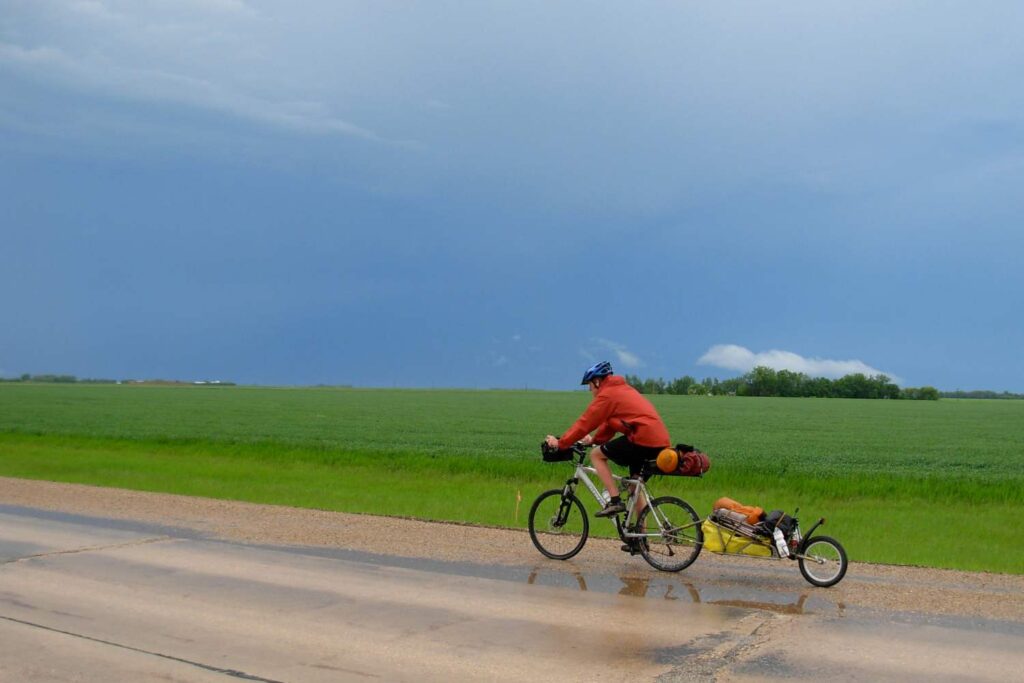
That same morning, while eating breakfast at a roadside café, I told our waitress about the ride and why I was doing it. She told me that her husband had died after waiting eight years for a heart transplant, and then she gave us our breakfast for free.
Manitoba was greener and flatter than Alberta and Saskatchewan, and I liked it immediately. While cycling out of Holland, I stepped out of a gas-station bathroom and found another cyclist standing there. His name was Chris, and he was raising money for AIDS research. It was only 10:30 in the morning, but he had already ridden almost 100 kilometres after waking at five in a field where he had slept in the open with only a sleeping bag. His gear was strapped all over his bike and much of it was on his back. He looked exhausted and badly in need of a shower, but he was cheerful and seemed genuinely happy to see other cyclists.
Craig and I left him there to eat and make some repairs, but Chris caught up with us later that day outside Winnipeg after another severe prairie storm. He had ridden straight through it and described it as “the worst 25 minutes of my life.” We rode the remaining distance into Winnipeg together, fighting more headwinds and not arriving until around 11 that night. Chris had been on his bike since five in the morning and had covered about 240 kilometres. Craig and I were too tired to look for proper accommodation, so we slept on the floor of an abandoned gazebo.
Around that time, I received an email from St. Stephen Middle School in New Brunswick. The students had made a bulletin board and were tracking my progress across Canada with pushpins on a map. They had done the whole thing themselves. It was one of those small reminders that, even when I was riding by myself through long stretches of prairie, people back home were following along.
Ontario
The landscape changed almost as soon as I crossed into Ontario. The wide Prairie sky gave way to dense forest, lakes and the exposed rock of the Canadian Shield. I liked the change in scenery right away, but the riding conditions were another matter.
Highway 17 is pretty much the only road through Northern Ontario, and in many places the shoulder was barely wide enough to ride on. Transport trucks passed constantly, often without moving over much at all. I had dealt with plenty of difficult roads by that point, but this was the first section of the trip where I regularly felt unsafe.
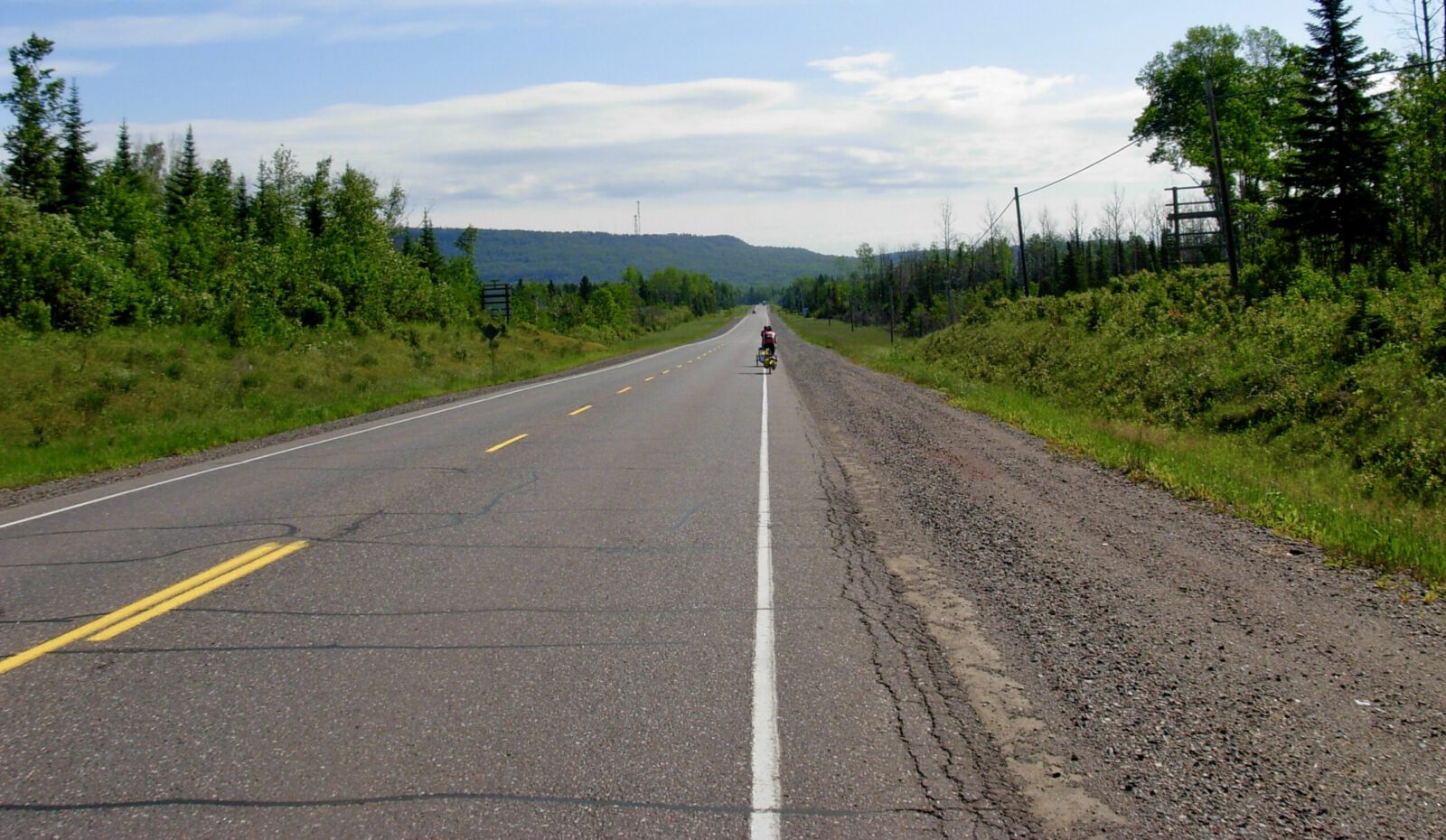
I met up with Ian and Dana again shortly after crossing into Ontario, and I was glad to have company through such a remote stretch. The weather was wet and cold for several days, with soaked tents and clothes becoming part of the routine. Outside English River, a tiny settlement between Dryden and Thunder Bay, we got caught in another storm and stopped at the only restaurant in town, only to discover that it was closed.
While we were standing there trying to figure out what to do, Lucy and Larry came over and invited us to have lunch at their place across the road by the river. They fed us, invited us to stay the night, and let us spread our wet gear around the cabin to dry by the fire. Then they went out in the rain, caught fresh pickerel and pike, and came back to cook us one of the best meals of the trip. A few other residents of English River joined us for dinner and drinks, and before long we were doing shots of moonshine. It was completely random and unplanned, and exactly the sort of experience that made the trip so memorable.
We all woke up hungover the next morning, and it was still raining. Lucy and Larry offered to drive us to Thunder Bay. I was hesitant because I had been trying to ride as much of the route as possible, but Ian and Dana were accepting the ride and I wanted to continue travelling with them, so I went too.
After Thunder Bay, the road improved somewhat, but the hills became much worse. I had no idea Northern Ontario would be so hilly, or that the climbs would be so long. My legs were getting almost the same workout they had in British Columbia, except now there were blackflies as well.
The scenery along Lake Superior was spectacular. The lake often looked more like an ocean, and whenever the road came close to the shore the temperature could drop by ten degrees. There were beautiful sandy beaches everywhere, although the water was frigid and the blackflies usually discouraged me from hanging around very long. On one particularly hot day near Pancake Bay, with the temperature around 34 degrees, I stopped at one of the beaches and spent a couple of hours swimming and lying on the sand. Getting back on the bike afterward was extremely difficult, especially knowing I still had a long day of riding ahead.
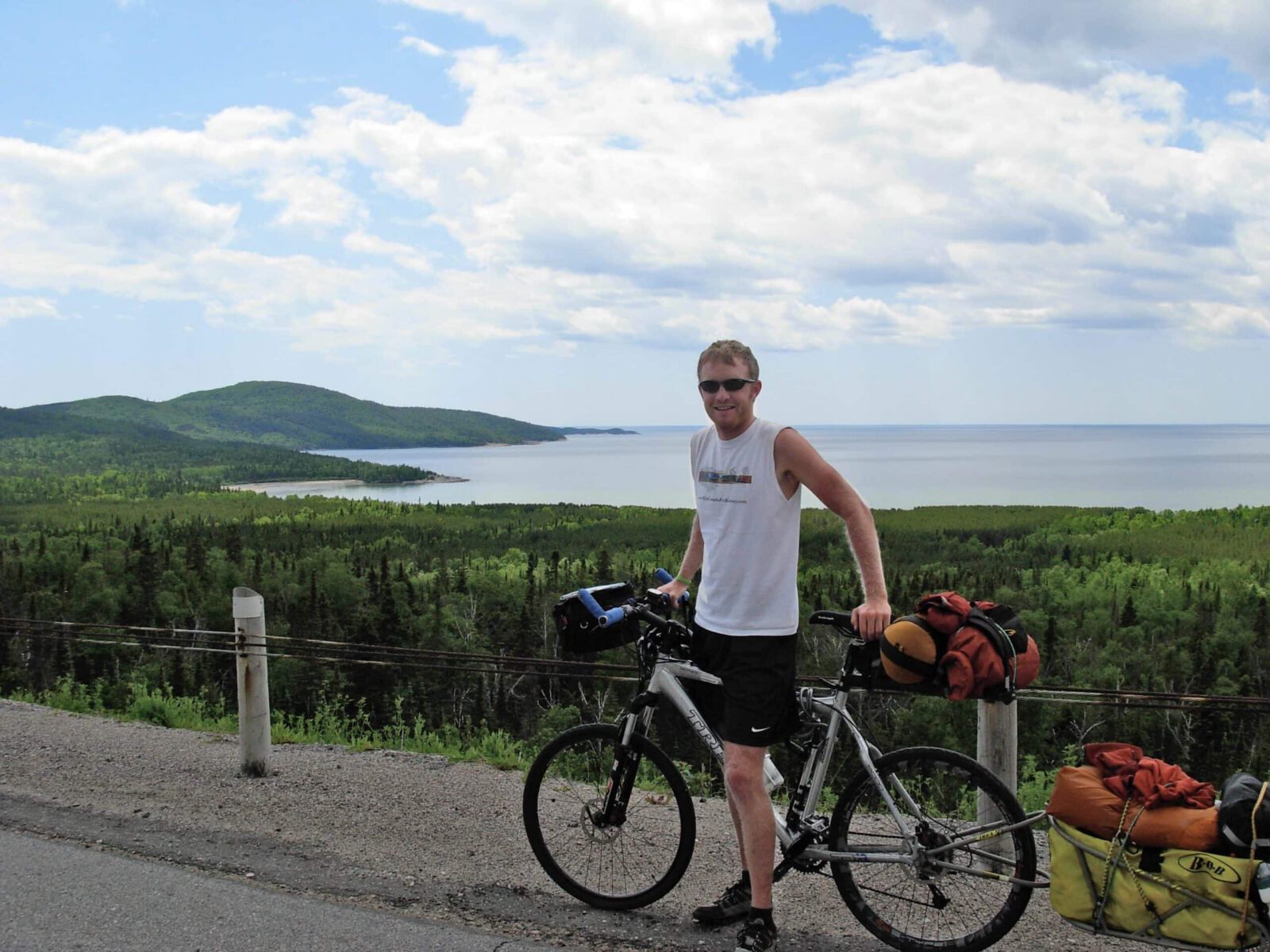
Around this time we met three cyclists heading west from Halifax. They had already covered about 3,100 kilometres, which made me realize I was roughly halfway across the country. That was encouraging, although Northern Ontario still seemed to go on forever.
Cycling with Ian and Dana was good company in the evenings, but during the day I found it difficult to keep up with them. They were on lighter road bikes and tended to ride faster and stop less often. I wanted to take photos, eat, look around and occasionally sit at the side of the road doing nothing. One day I finally stopped trying to keep up and sat down with a banana while they continued ahead. In the video diary I complained that they never stopped for views, photos or snacks, then admitted the banana was at least very good.
By the time we reached White River, I was tired of the rain, the hills and cycling in general. We took a rest day there during another cold downpour. The next day, while riding out of town, I recorded a video diary in which I announced that I had come to a fairly profound realization: I hated cycling. I said I hated everything about it, did not know why I was doing it, and was not sure I could continue, although I was going to try. That probably sums up Northern Ontario better than anything I could write about it now.
The days that followed were a mix of heat, hills and headwinds. We rode 120 kilometres one day in temperatures around 32 degrees, then 130 kilometres the next. By then, I had been riding into strong headwinds for fifteen days in a row. In Montreal River we met a man named Steve who invited us to stay at his home in Sault Ste. Marie. After so many days of difficult riding, being welcomed into someone’s house for the night was greatly appreciated. Reaching Sault Ste. Marie also meant we were finally through the worst of the Northern Ontario hills.
The trip was wearing on me in other ways too. I had received almost no media coverage in Ontario, and I could see the effect on the fundraising total. On June 26, I posted a plea on the website asking people to donate. I knew people were following the trip, but I also needed to feel that all the effort was actually helping the Kidney Foundation and raising awareness.
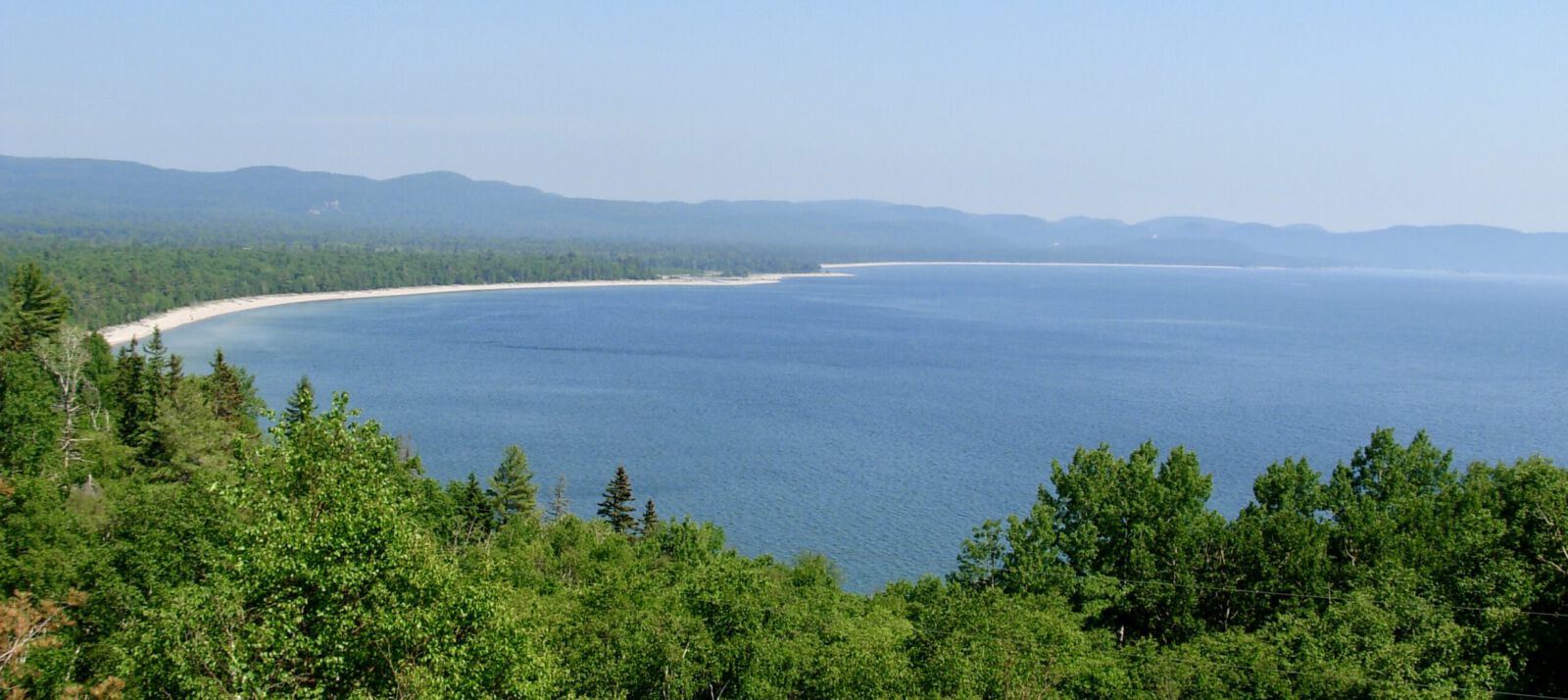
At that point I was pushing hard to reach Algonquin Park by July 2 for my 25th birthday. I had taken only one rest day in seventeen days. Somewhere along that stretch I took shelter from a storm in a motel and watched a CBC documentary about a man from British Columbia who had been told he might wait eight years for a kidney transplant. He eventually travelled to Pakistan and paid for a transplant. I found the whole story troubling, but what stayed with me was the fact that someone could become desperate enough to do that because of how long the wait was. It reinforced why I was spending so much time talking about organ donation along the way.
On June 30, after almost two months of riding, I finally got another good tailwind. It was only the third one I had experienced in sixty days, and it happened on a day when I needed to ride about 160 kilometres. I was genuinely excited about it and recorded a video diary announcing that I was a “very happy camper.”
I reached Algonquin Park on July 2, about 45 minutes before my friends arrived. Andrew and Alexis had driven up from London, and they surprised me by bringing Lisa Cartwright from England, whom I had not seen in five years. For a couple of days I had no interest in cycling. We went canoeing, hiking, played Frisbee and celebrated my birthday. It was exactly the break I needed.
While I was in Algonquin Park, I heard that Willa Piercy’s Grade 4 class at Harvey Elementary had raised more than $800 for the Kidney Foundation by selling popsicles. Willa had been my Grade 4 teacher too. I was a long way from Harvey, and it meant a lot to know that she and her students were following along and supporting the cause.
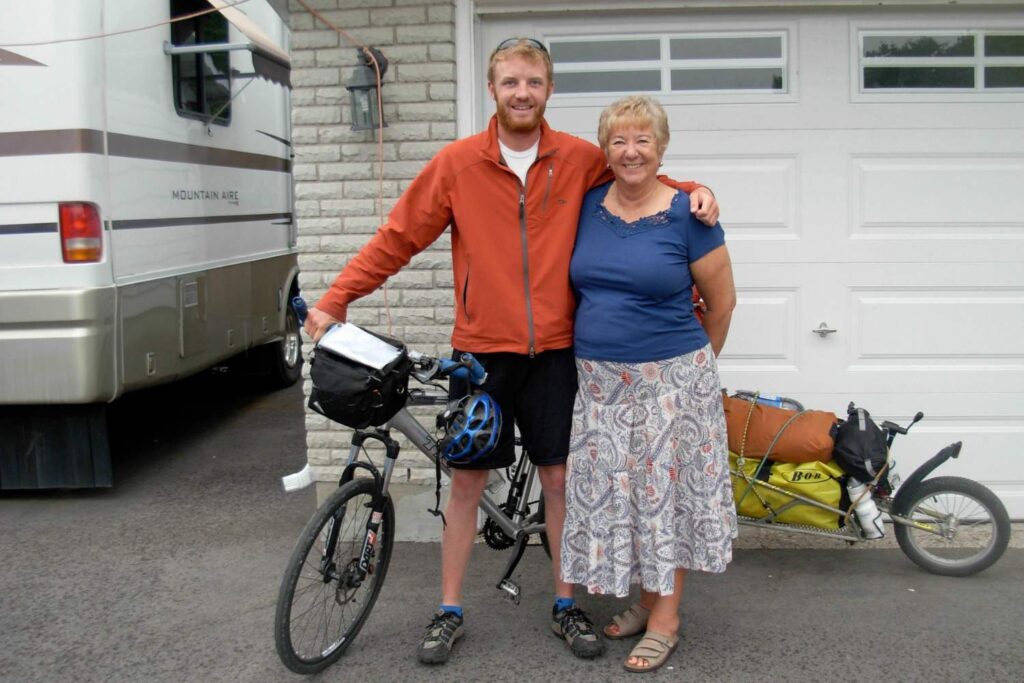
I left Algonquin and continued toward Ottawa, where Robin and Daphne hosted me. Daphne had received a kidney transplant and had been in touch with me before the ride began. Her brother Roy, who had donated the kidney, was also one of my sponsors. That evening I sat in their house eating a steak dinner, doing laundry and talking about kidney disease and transplantation.
Quebec
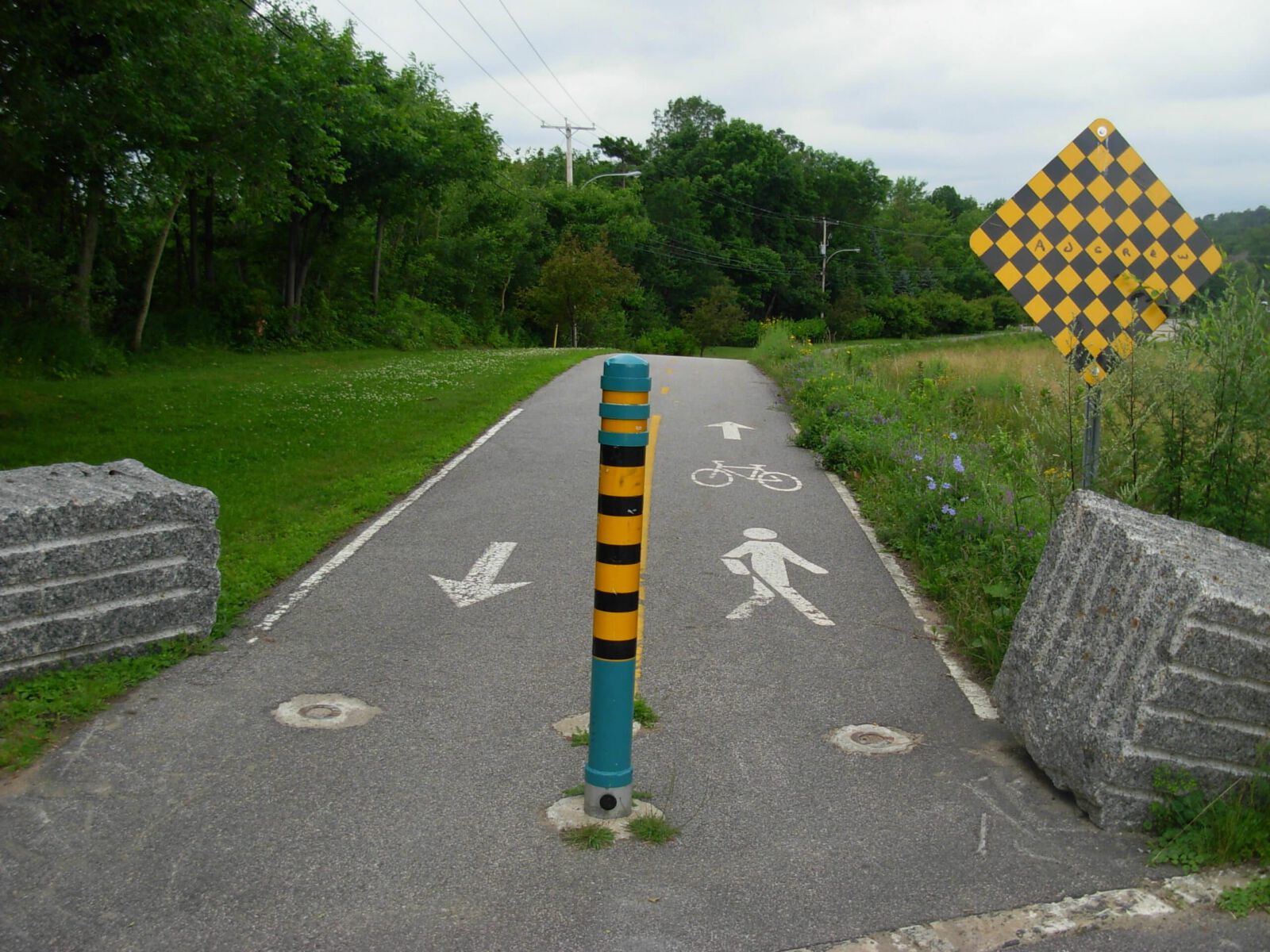
After a couple of days off in Ottawa, with a real bed, good meals and time with friends, I headed into Quebec and picked up La Route Verte, Quebec’s cycling network. I followed it through the countryside on the north side of the St. Lawrence.
The riding was a welcome change from Northern Ontario. The weather was good, there were fewer hills, and the route took me through small historic villages. The biggest problem was my French. I had forgotten most of what I learned in school, and once I got away from the more touristy areas, English was not easy to find. Asking for directions or trying to find a campground could become a fairly long exercise in confusion.
One afternoon, I stopped at a dépanneur and tried to explain to the woman behind the counter that I was looking for a campground. She spoke no English, and after about two minutes of my very bad French she suddenly smiled as if she understood me perfectly. She walked over to the magazine rack and proudly handed me the latest issue of Playboy. It was not what I was looking for on several levels, so I smiled and gave up. That night, for the second night in a row, I ended up camping behind an abandoned building on the edge of town.
On July 11, severe thunderstorms stopped me for the night in Trois-Rivières. I took a motel room, had a shower and waited for the weather to pass before continuing toward Quebec City. I arrived while the Festival d’été de Québec was underway and spent a day exploring the old city, listening to live music and taking a break from the bike. One of the highlights was seeing Xavier Rudd, one of my favourite musicians at the time.
On July 14, I crossed to the south shore of the St. Lawrence and continued east in the sunshine. The scenery kept getting better as I got closer to the mountains. That evening, I arrived at a campground right on the river. It was full, but the owners let me pitch my tent on the beach. At first, I thought I had the best site in the campground. I went to sleep early, only to be woken around midnight by a large group of people celebrating and setting off fireworks just outside my tent. It was a night I will never forget.
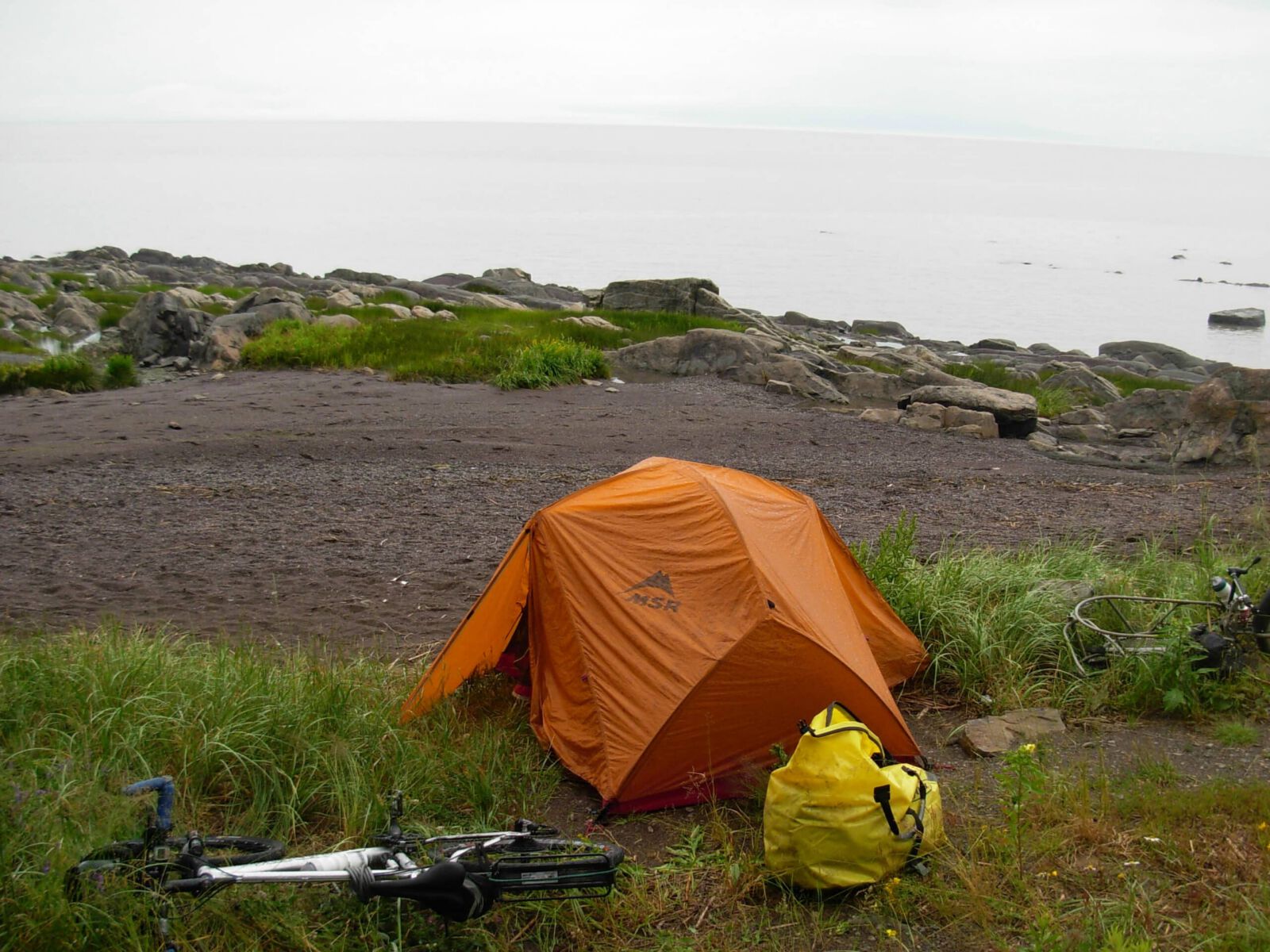
Around this time, I got some very good news from home. My cousin Angela Watson had decided to join me from Fredericton to St. John’s. We planned to work together through the Maritimes to get as much publicity as we could for the cause and, hopefully, push the fundraising total beyond our original goal. After spending much of the trip riding alone, I was looking forward to having company for the final stretch.
Friends and family back in Harvey had also organized another fundraising car wash. In my update, I thanked everyone who had helped and everyone who had come out to have their car washed. There was a lot of work going on back home while I kept pedalling east.
By July 15, I was in Rivière-du-Loup. From there, I followed the Petit-Témis Interprovincial Trail toward Edmundston and the New Brunswick border. I had been looking forward to reaching New Brunswick for weeks, and by then I knew there were events, family and familiar faces waiting for me on the other side.
The Maritimes
When I crossed into New Brunswick in mid-July, it felt very different from crossing the other provincial borders. After more than two months and roughly 6,000 kilometres, I was back in my home province, where I knew there would be family, friends and people following the ride.
I arrived in Edmundston to a large banner that read, “Welcome Home, David Watson. Bike Canada For Kidney.” The local Kidney Foundation had organized a reception at City Hall with patients, officials and supporters. After weeks of relatively little attention in Ontario and Quebec, it felt good to arrive somewhere where people already knew why I was there.
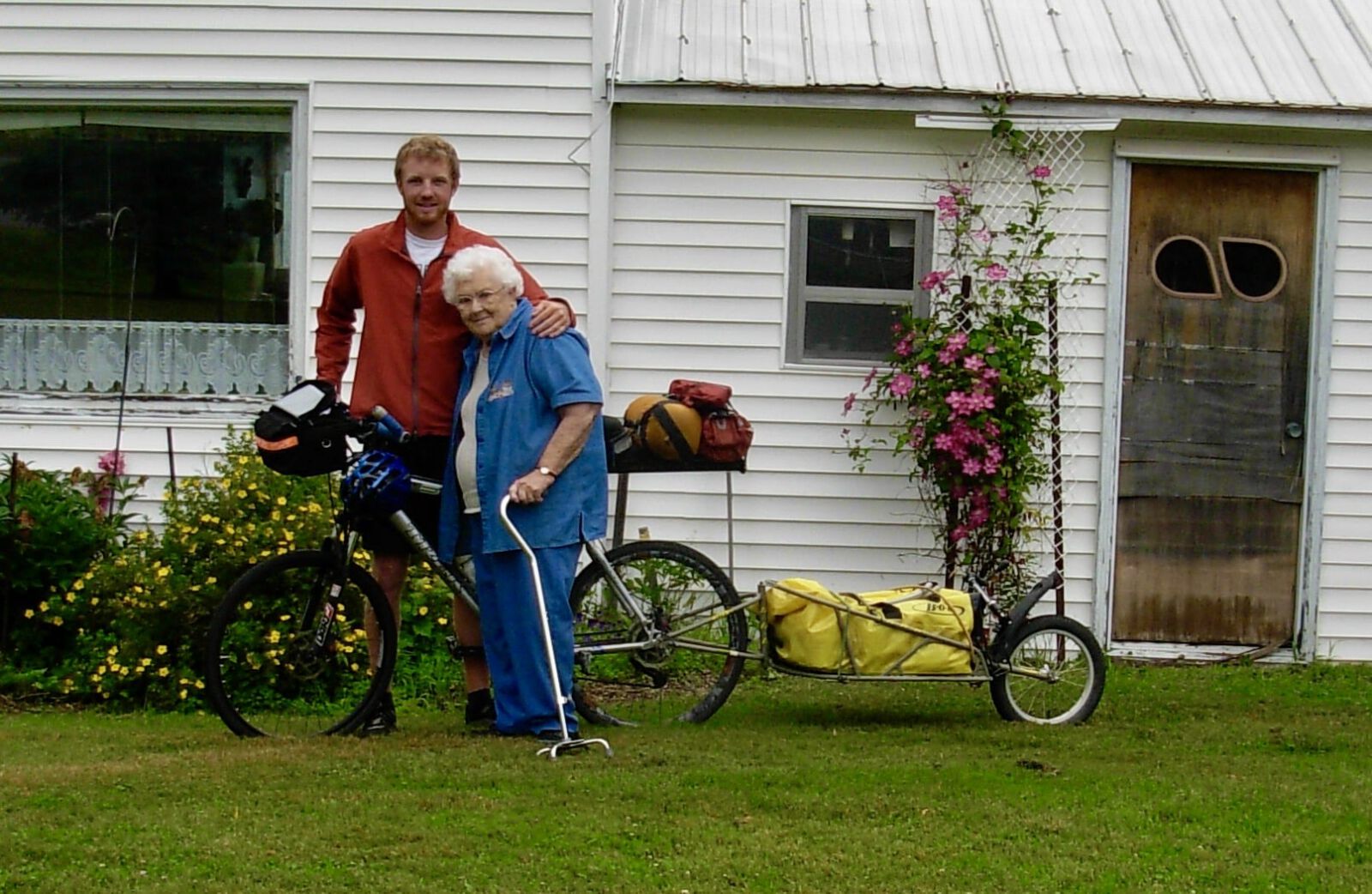
From Edmundston, I followed the old Trans-Canada Highway south through Grand Falls, Perth-Andover, Florenceville and Hartland. On Day 79, I reached my grandmother’s house in Dumfries, where she was waiting for me in a lawn chair on the front lawn. She gave me a long hug and, with tears in her eyes, told me how proud she was of me. It was one of the moments from the trip that has stayed with me.
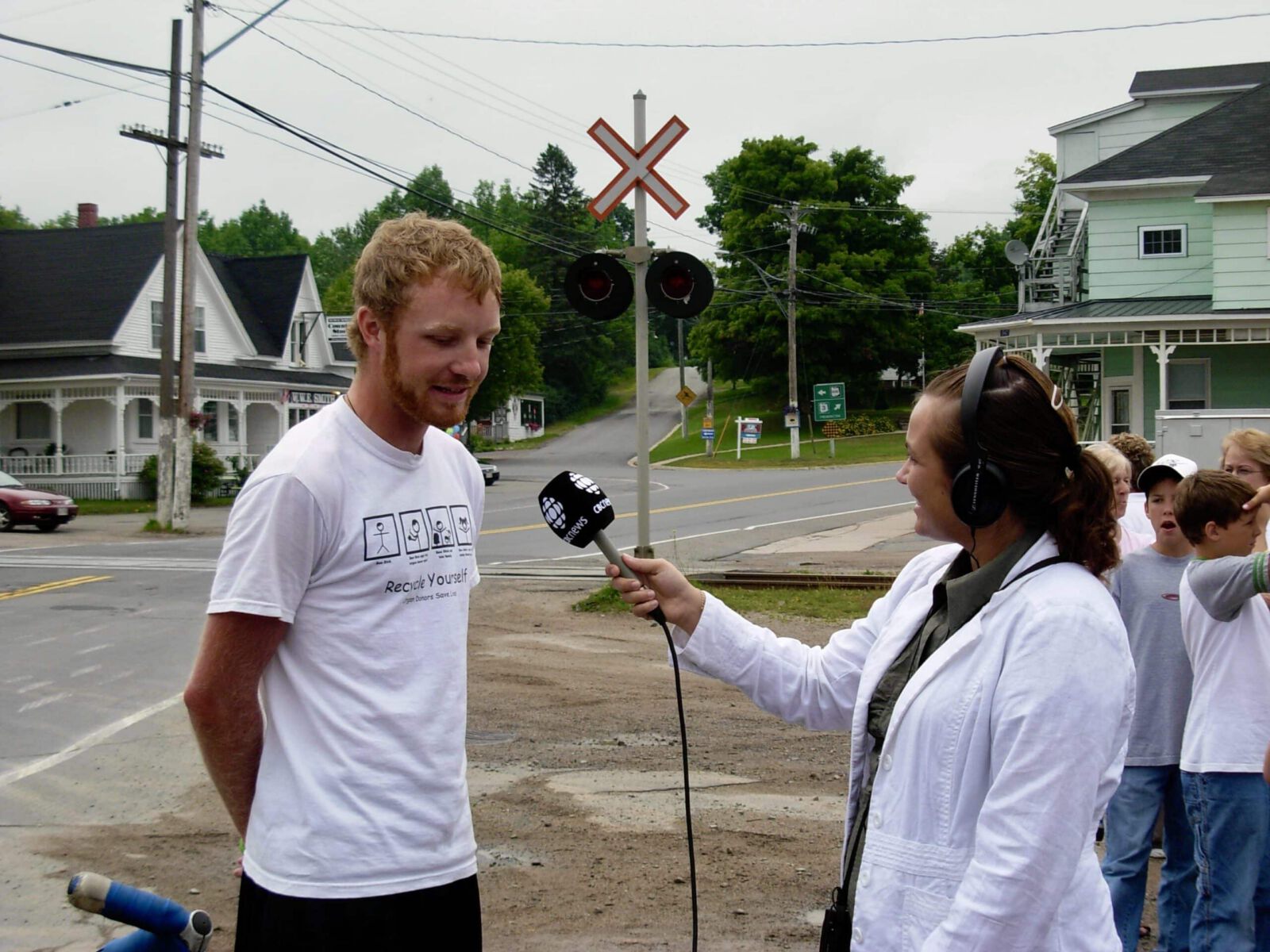
The next morning, a few friends met me at my grandmother’s place for the final ride into Harvey. Jeremy and Ryan rode with me, while Andrea and Candice followed in their SUV taking photos and video. As we got closer to the village, people began coming out of their houses to wave and yell congratulations. A CBC crew even pulled alongside me near Lake George, attached a microphone to my shirt and interviewed me while I was still riding.
I was extremely nervous as we approached Harvey because I had no idea how many people would be waiting. As I turned onto Harvey Lake Road, I could hear applause and car horns ahead. I rode into the parking lot at Black’s Café and yelled, “I’m home!” My parents were the first people to greet me, and then I spent the next hour talking to reporters and people who had come out to see me arrive.
A few days later, my mother and others organized a barbecue and meet-and-greet on the United Church lawn. The Grade 4 students who had been raising money by selling popsicles joined Angela and me for a ceremonial ride of about a kilometre along Route 3, with the road closed for us. More than 125 people attended. We received over $3,000 in donations and sold out of Bike Canada For Kidney T-shirts, bringing in another $1,000 for the Kidney Foundation.
I wrote at the time that it almost felt as if Harvey was biking across Canada for kidney disease and simply using my legs. That still seems like a pretty accurate description. By then, people back home had organized fundraisers, sold T-shirts, washed cars, sold popsicles and kept the story alive while I was on the road.
After three days of rest in Harvey, Angela joined me for the final leg through the Maritimes. We rode into Fredericton for a Kidney Foundation barbecue at Officers’ Square, then continued east through intense July heat toward Moncton.
On Day 86, we arrived at Moncton City Hall, where the city, the Kidney Foundation and local supporters had organized another welcome with a barbecue, speeches and cheque presentations. By then, we had passed the original fundraising goal. acqueline Robichaud, who founded the Fredericton chapter of the Kidney Foundation and was the second wife of former premier Louis Robichaud. I also met Mark Black, vice-president of the Transplant Society, who spoke about receiving a double-lung and heart transplant in his early twenties and about the difference organ donation can make.
The heat through the Maritimes was difficult. For several days, the temperatures were almost tropical and Angela and I struggled to carry enough water. After leaving Moncton, we spent much of one day near the beach trying to stay cool, then cycled later in the evening and did not find a place to camp until after dark.
When we reached Charlottetown, Siobhan, an old friend from Harvey, welcomed us into her apartment and fed us a lobster dinner, something I had been thinking about since the West Coast. I wrote that night while sitting half-naked on the floor trying not to overheat, wondering how we were supposed to keep cycling the next day when it was expected to get even hotter. I ended the entry by reminding myself that it could always be worse. It could be raining.
We rode from Charlottetown to Wood Islands and took the ferry across to Nova Scotia, my ninth province. After spending some time in Pictou, Angela and I headed toward St. Andrews. The heat and hills finally caught up with us late in the afternoon, so we stopped in the middle of nowhere and camped in the forest off the side of the road. Angela was worried about bears, and I told her not to take any food or anything smelly into her tent, which I wrote at the time probably only made her more nervous.
We made it through the night and rode into St. Andrews the next day looking, in my own words, as if we had spent a week in the wilderness and “smelling very funky.” Marlene, who was from Harvey, had organized a meet-and-greet at the community hall. The Nova Scotia Kidney Foundation was there along with people from the community, and more than $500 was donated.
That afternoon we continued east and crossed the causeway onto Cape Breton Island, reaching Port Hastings that evening. From there, the next major step was getting to North Sydney and catching the ferry to Newfoundland.
Newfoundland
My original plan had been to bike all the way across Newfoundland. By the time Angela and I reached Cape Breton, we were running short on time, with people travelling to St. John’s and events planned for our arrival. We decided to take the ferry to Argentia and spend our remaining days riding around the Avalon Peninsula.
The next morning we boarded the ferry for what was supposed to be a 14-hour trip to Argentia. Within a few hours I was extremely seasick, despite taking Gravol, and eventually went up to the top deck where the fresh air made me feel a little better. I fell asleep on a bench in the sunshine and, when I woke up, noticed that the deck was completely empty. When I went downstairs, I could tell right away that something had happened. Angela told me there had been an announcement that tropical storms had caused serious damage in eastern Newfoundland and that the ferry was being diverted to Port aux Basques.
We arrived there around 9:30 that night, in the dark, with almost none of the options we needed. The hotels, motels and campgrounds were full, there were no rental cars available, and the bus service would not take us because of our bikes. We had deliberately chosen Argentia because we knew we did not have time to bike across the island, and now we had been delivered to exactly the place we had been trying to avoid. With nowhere else to go, we found a spot in an industrial compound just outside town and pitched our tents there for the night.
At first I still wondered whether we should simply start riding east and accept that we would arrive late, but by then a lot of people had made plans around our arrival in St. John’s. Roy Heale, one of my earliest supporters, and his sister Daphne were travelling there, and the Kidney Foundation had organized a formal welcome involving city and provincial representatives. By then, the pressure to arrive on time was very real.
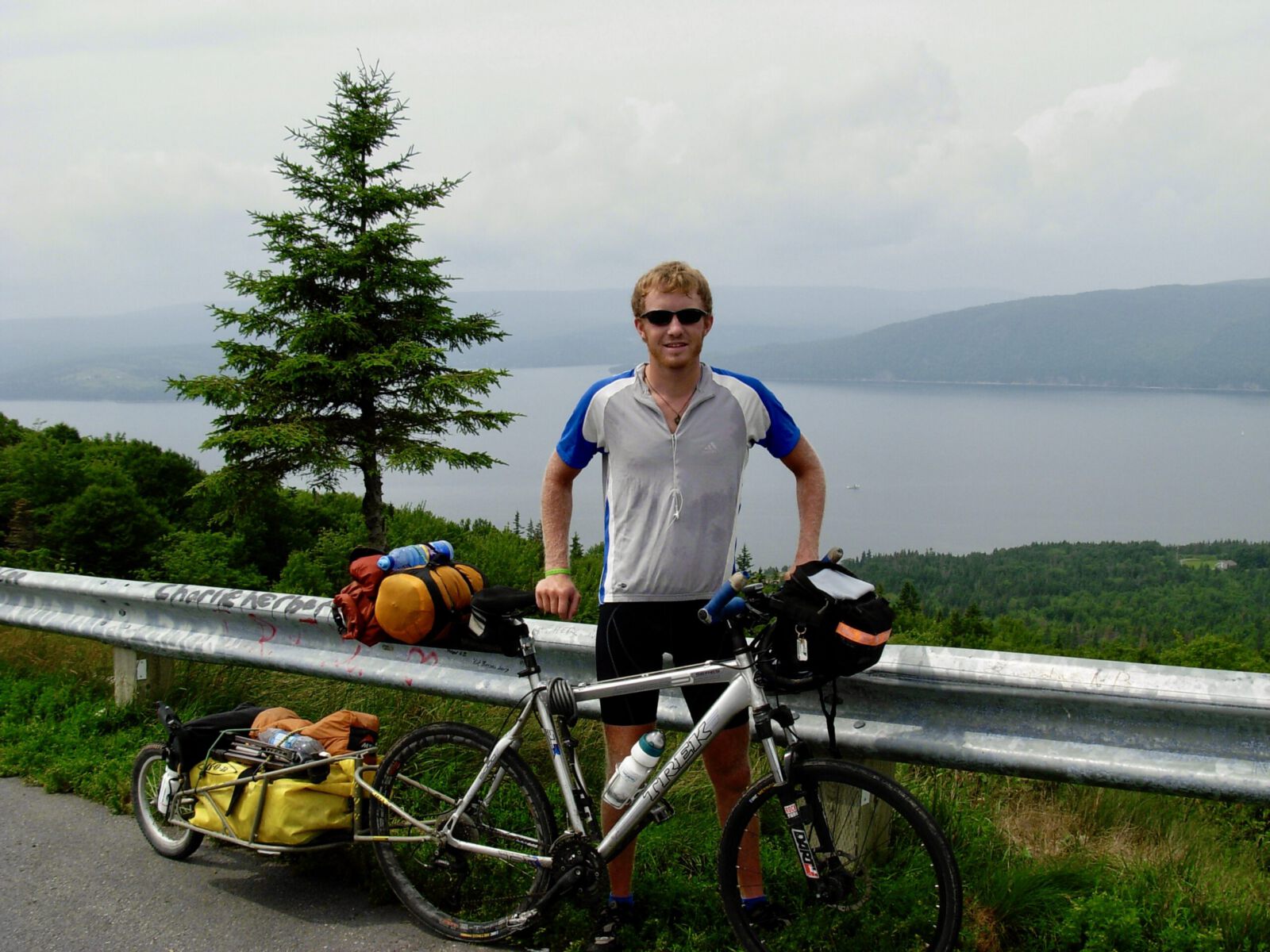
Angela and I began riding east from Port aux Basques while we tried to work out what to do next. Western Newfoundland turned out to be one of the most beautiful parts of the entire trip. A few days later I wrote in my journal that, as far as I was concerned, the west coast of Newfoundland was “the most beautiful part of Canada,” and that I wanted to return someday to explore it properly.
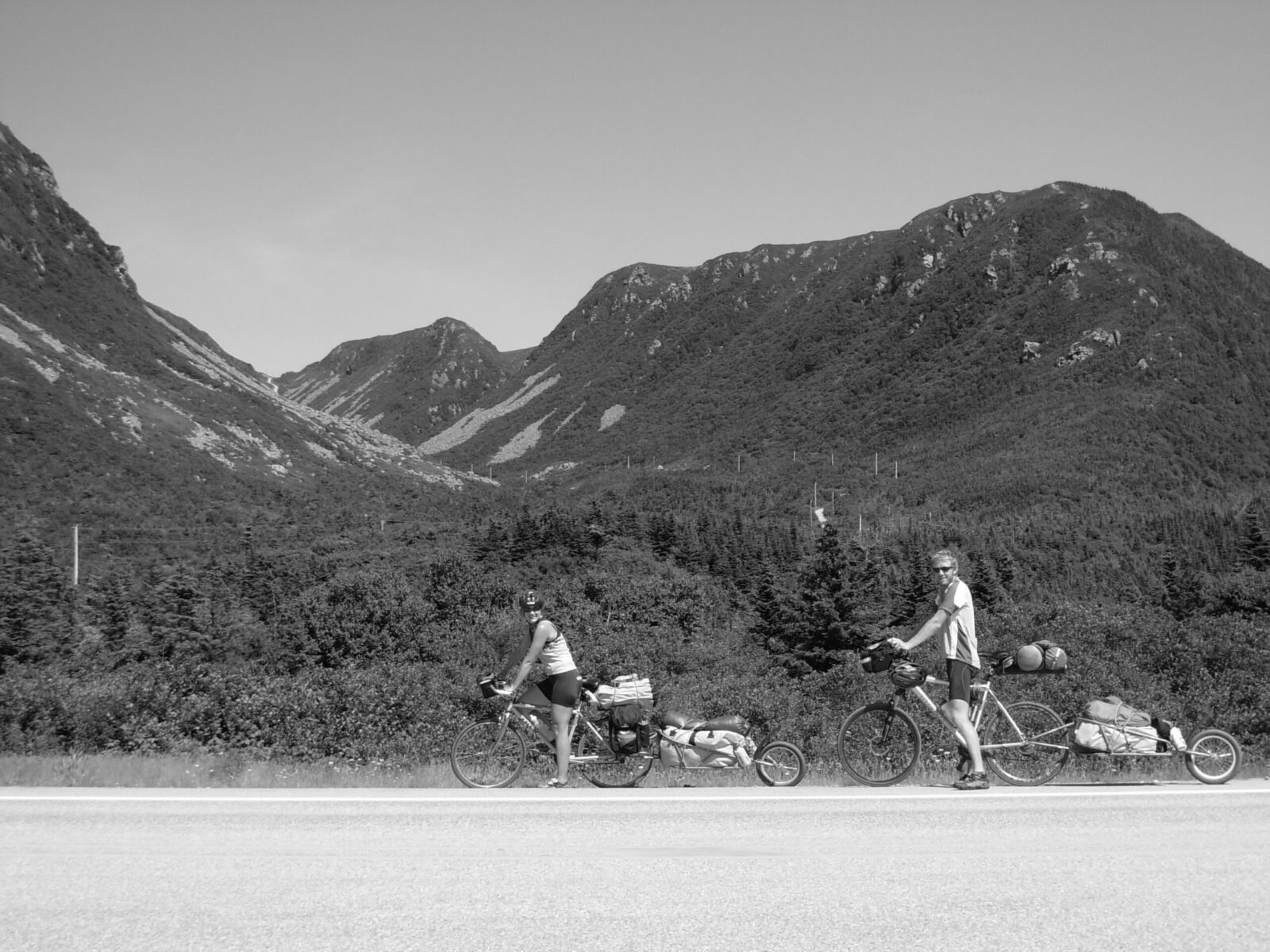
My parents were already driving across Newfoundland to meet us in St. John’s and take us home afterward. When they caught up with Angela and me on the highway near Gros Morne, we camped together for the night and finally made a compromise. The next day, they drove us partway across the island. A few days from St. John’s, they dropped us and our bikes off again, and we rode the rest of the way to the finish.
On August 7, we came to a road that had been closed because of damage from the tropical storm. As we sat there trying to work out what to do, three young boys on bikes came along and offered to guide us around the closure using an off-road trail. Later that evening, we were caught in rain as it was getting dark. I stopped at a roadside store to ask if there was anywhere nearby to camp, and the clerk started making phone calls for us. A local bed and breakfast was already full, but the owners refused to let us sleep outside and insisted that Angela and I take their own bedroom while they slept in the living room. I wrote that night, “Can you imagine? Only in Newfoundland.”
On August 9, 2007, after 100 days and 7,550 kilometres, Angela and I rode into St. John’s. There was a large welcome waiting at City Hall, with representatives from the province, the city and the Kidney Foundation. Lucie from the Kidney Foundation later invited us to her cabin for a traditional Jiggs dinner, and that evening we headed to George Street to be screeched in.
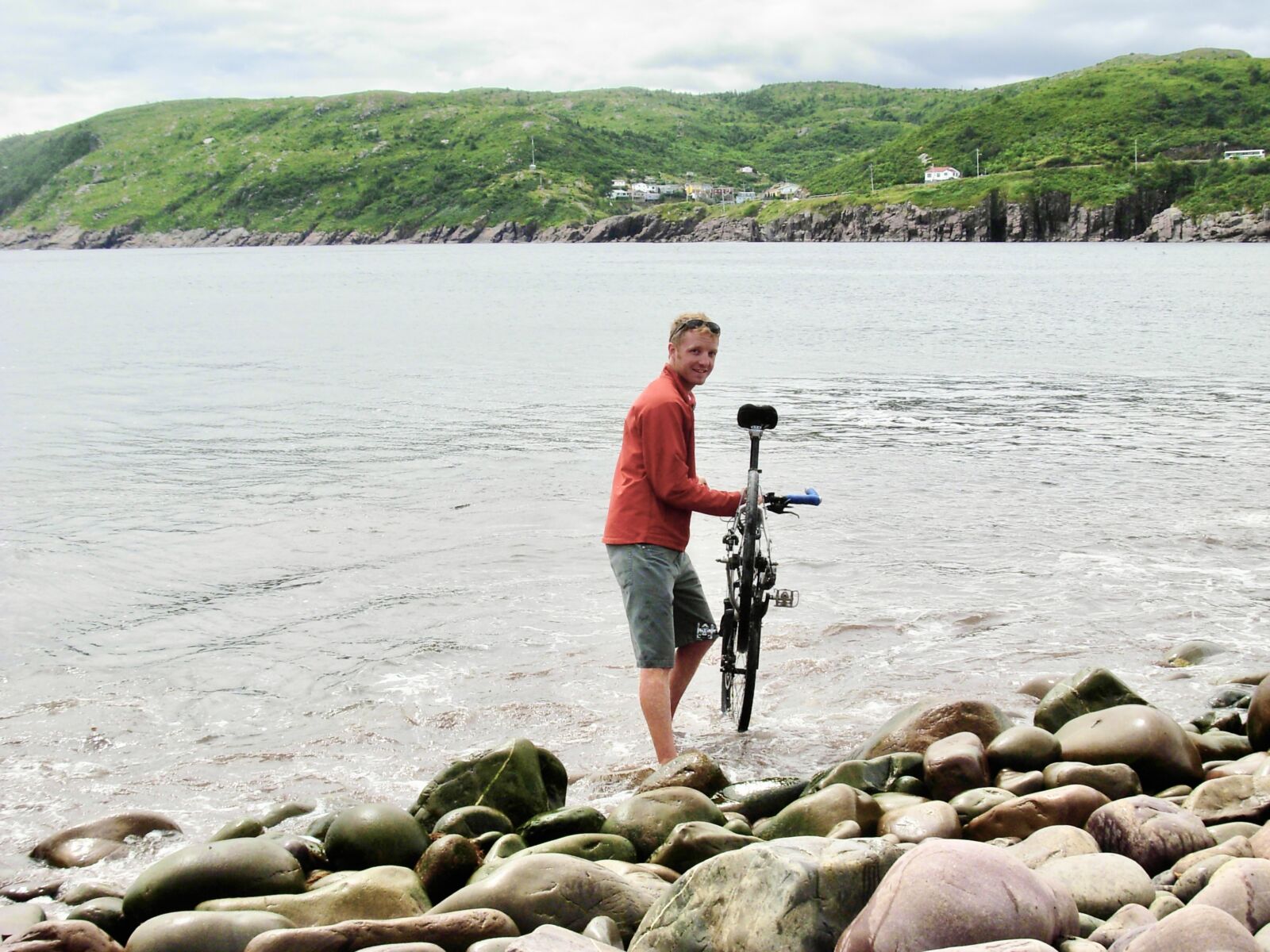
By the end of the campaign, Bike Canada for Kidney had raised more than $26,000 for the Kidney Foundation of Canada.
It was not quite the ending I had imagined when I left Victoria. I had wanted to bike every kilometre across Newfoundland and was disappointed that we could not do it that way. But very little about the trip had gone exactly according to plan. Justin’s injury, broken wheels, bad weather, headwinds, wrong turns, strangers helping me, Angela joining me for the final leg, and eventually my parents helping us make the finish all changed the journey as it went along. By the time I reached St. John’s, it was pretty obvious that I had never really done the ride entirely on my own.
Nineteen years later
It has been nineteen years since that ride. I now live in Nova Scotia with my husband and our son. As of September 2026, my kidney function is around 14 percent. Dialysis and a transplant are in my near future, and I am currently looking for a living kidney donor.
One thing I did not talk about much in 2007 was how lonely I felt. Some of that was obvious. I was spending long days cycling by myself and many nights sleeping alone in a tent. But there was another kind of loneliness too.
I had only recently come out as gay, and I still had a lot of uncertainty about what my future might look like. I wondered whether I would ever find someone, whether I would have a family, and whether anyone would want to build a life with me knowing that PKD was part of it.
A few weeks after I finished the ride, I was back home in Harvey when my friend Andrea set me up on a blind date with Ben, a handsome doctor from Nova Scotia who was doing his residency in Fredericton. I took him kayaking on Harvey Lake and packed a picnic. We’ve been together ever since.
I sometimes think about the timing of that. If I had not biked across Canada, I almost certainly would not have been back in Harvey at that exact point in my life, and I may never have met him. The ride changed my life in ways I could not have imagined when I left Victoria.
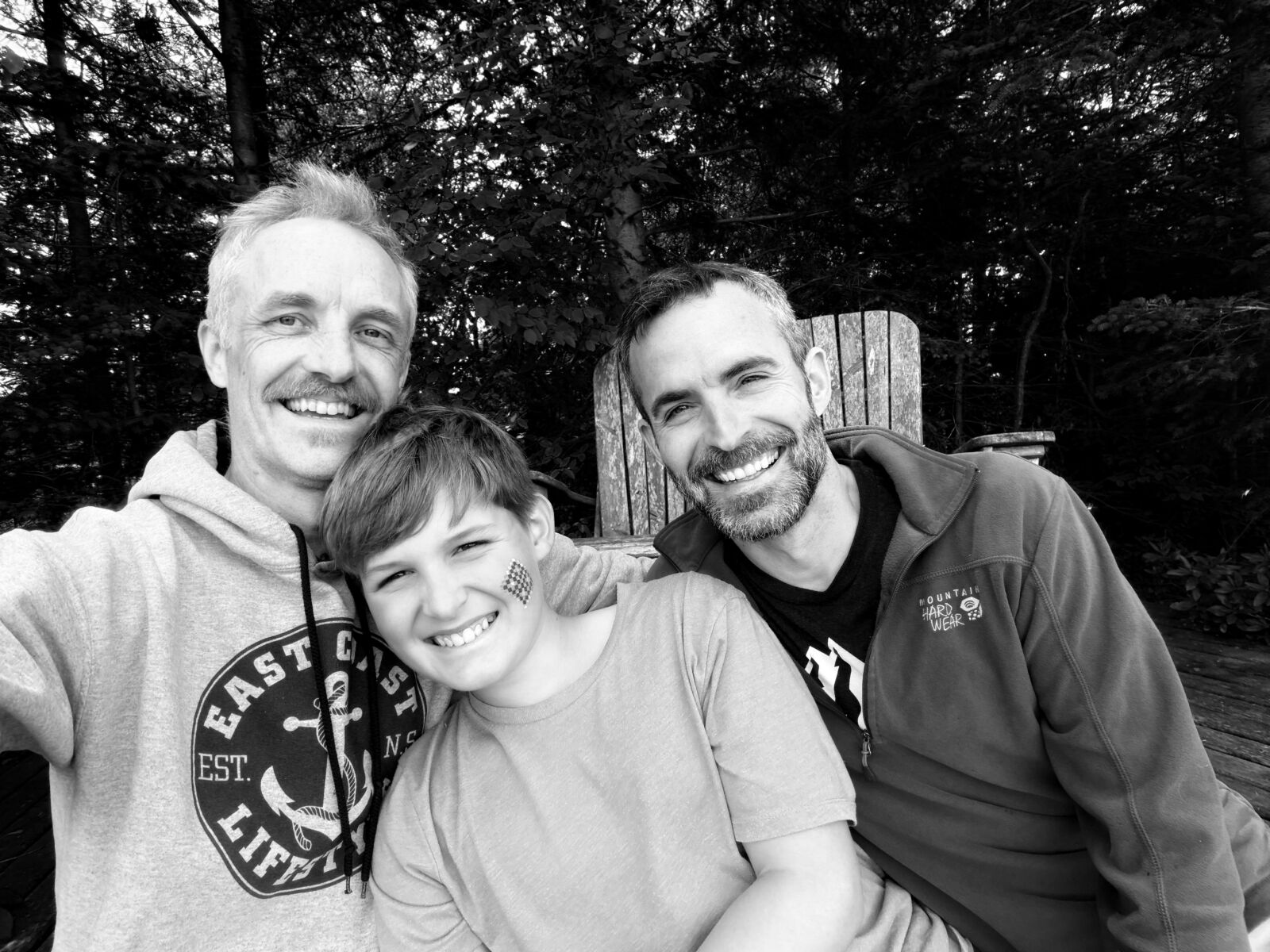
The bike ride did not give me any great answer about how life was going to turn out. But it did lead me home, and shortly after that, to Ben (and later Elliott). Looking back, that may be the part of the journey that means the most to me now.
How you can help
I am now looking for a living kidney donor. If you would like to learn more about my situation, what living kidney donation involves, or other ways you can help, I have written a separate post with all of the details: Read about my search for a living kidney donor.
Sharing that post would also help. The person who is eventually able to donate may not be someone I know personally. They may be reached because someone else decided to pass my story along.